
How Much Does Paint Protection Film Cost in 2026?
One of the biggest investments you’ll make is in your vehicle. As you step into your new car as soon as it rolls off the lot, it is already at risk of graffiti, road debris, and harsh environmental elements. Whether you want to maintain a showroom look or you want your vehicle to retain its showroom shine, investing in Paint Protection Film is an excellent way to protect the exterior of your vehicle. For those seeking to keep their car’s value, it’s important to be aware of the elements that determine the expense of this high-tech safety system, and this guide will help you with that.
Paint Protection Film (PPF): What is it important?
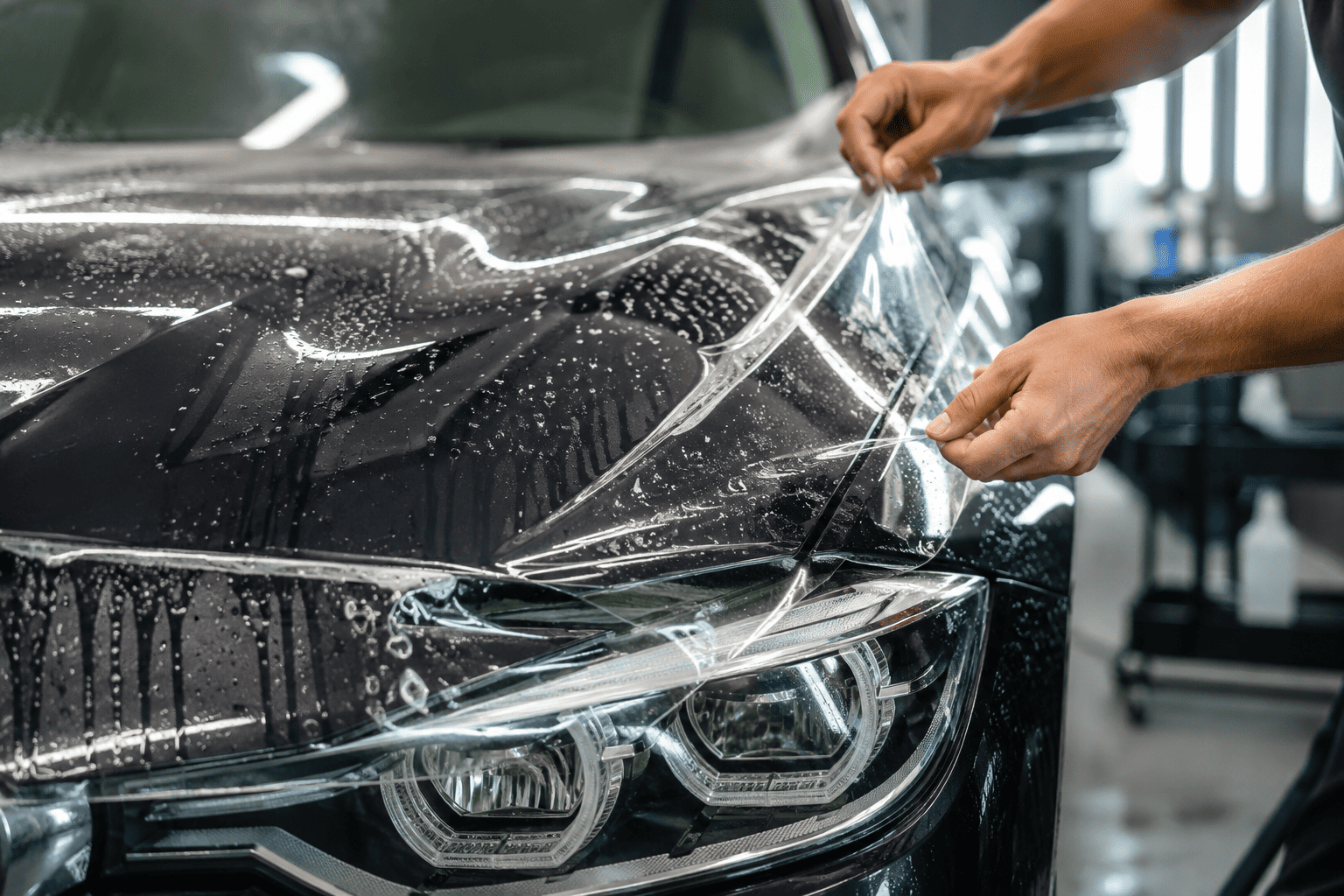
Paint Protection Wrap (PPF) is a high-quality thermoplastic polyurethane film, often called a “clear bra installation in Metairie, LA,” that is directly applied to the painted surfaces of a vehicle.
This technology has been adapted from the military to ward off flying shrapnel on helicopter rotor blades. Now, a top clear paint protection film in Metairie, LA, is like a bulletproof vest that shields your factory paint from permanent damage upon impact.
Factory Paint Layer ──> [Impact-Absorbing Adhesive──>Polyurethane Core ──>Self-Healing Top Coat
The more modern films are equipped with advanced self-healing paint protection film technology. The uppermost layer is made of elastomeric polymers that are able to restore their natural shape after being heated by the sun or warm water. This is because light swirl marks and surface scratches go away on their own, without having to be polished continuously, which keeps your car paint protection looking flawless.
How Much Does PPF Cost in 2026?
The expense of vehicle paint protection is going to depend on the amount of area to be protected, the dimensions of your vehicle, and the complexity of its body panels. In general, there are three main packages for professional PPF installation in Metairie, LA:
| Coverage Package | What’s Included | Estimated 2026 Price Range |
|---|---|---|
| Partial Front End | Front bumper, partial hood, partial fenders, side mirrors | $900 – $1,500 |
| Full Front End (Clear Bra) | Entire front bumper, full hood, full fenders, mirrors | $1,800 – $2,800 |
| Full Vehicle Wrap | Every painted exterior surface protected | $4,500 – $7,500+ |
Core Cost Drivers
- In the case of the material and labor used in the vehicle, a smaller sedan will take less than a full-sized SUV. Sleek, curvy, or complex-grilled vehicles require more installation time and additional precision.
- This doesn’t mean that film should ever be applied over damaged paint. If your vehicle already has swirl marks, scratches, or oxidation, then you need to machine polish the vehicle first. The amount of paint correction required will affect the cost.
- Materials that offer advanced stain resistance, hydrophobic properties, and full warranties come with a higher material cost, but provide a better film life.
Deciding the Right Protection: Ceramic Coating and PPF can be Difficult.
Ceramic coating vs PPF is often a comparison for car owners when considering automotive paint protection in Metairie, LA. Both have great benefits, but have completely different main uses:
Paint Protection Film (PPF) is a thick physical barrier that is thick. It is specially designed to deliver rock chip protection and serves as a scratch-resistant film in Metairie, LA. When a particle of gravel hits a car traveling at high speed, the PPF takes the impact strain so that the paint doesn’t crack.
Ceramic Coating is a liquid polymer that chemically bonds to the factory paint. It forms a super-smooth coating that is water-repellent, dust-proof, and UV-resistant. But it can’t prevent a flying rock from chipping your paint.
Many enthusiasts opt for ceramic coating the entire car, with PPF on the high-impact striking areas (front bumper and hood).
The Benefits of a Transparent Car Wrap
A well-made, clear car wrap will do more than just prevent scratches. It offers full surface protection for your vehicle that will help you keep it looking great for years of driving.
- When it’s time to sell or trade in your car, immaculate factory paintwork gets you more money.
- The extreme heat from the Louisiana sun can cause fading and rusting of paint. PPF is a barrier to harmful UV and protects from chemical discoloration from acidic bird droppings or tree sap.
- Modern films are easy to maintain with a smooth topcoat that doesn’t get stuck to the road as much as older materials, and your weekly wash is much quicker and easier.
Frequently Asked Questions
What is the life span of paint protection film?
Professional PPF can be installed at a high grade and usually lasts for 7-10 years, depending on the environment, driving, and car care. Premium films come with manufacturer guarantees against yellowing, bubbling, and cracking.
Is it possible to observe the movie after it’s set up on the car?
High-grade PPF can be installed by a professional and is clear and almost invisible. The film is exactly positioned on your vehicle’s panels, and edges are safely tucked between the gaps in the vehicle’s body wherever possible.
How to maintain a car that has paint protection wrap?
Normal washing of your vehicle can be done after the first curing period (usually around a week). The two-bucket hand wash method with a car wash pH-neutral shampoo is recommended. Do not press the film with high-pressure washers within 12 inches of the edges.
Is it possible to remove PPF later on safely?
Yes. The film can be safely removed from the factory paint surface in the future with professional heat-assisted methods and won’t harm the factory paint.
Does the PPF correct existing rock chips?
PPF serves as a preventative. The adhesive layer may only disguise micro-swirls, but cannot correct or hide deep rock chips. Ideally, paint defects should be touched up or corrected before the application of the film.


