
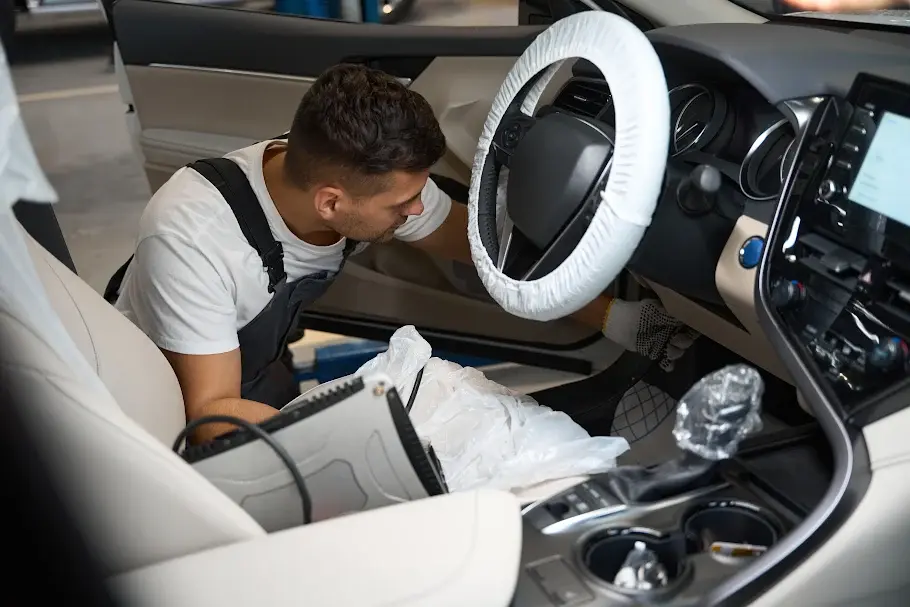
Auto Detailing: Avoid Common Mistakes That Damage Paint
When you consider Auto Detailing, the majority of people think that the purchase of good products and spending a couple of hours cleaning will provide a perfect, shiny look. However, the fact is that the most optimal routines may leave invisible scratches, swirl marks, fading, or damage to the paint over time. Auto Detailing is an art that requires a technique, a patient approach, and approach in the right direction.
Have you ever wondered why your paint never seems to be as smooth and mirrorlike as the professionals? It is usually a combination of some common yet costly mistakes.
Why Hiring Professional Car Care Experts Matters
Hiring professionals like Tony Auto Salon in New Orleans, Windeaux, and Wrap makes a significant difference in maintaining your car’s condition. Experts know that small details, if overlooked, can lead to bigger issues over time.
Even if you prefer a do-it-yourself approach or simply want to understand the process, being aware of common mistakes in Laplace, LA can help you keep your car in excellent shape and preserve its value for years to come.
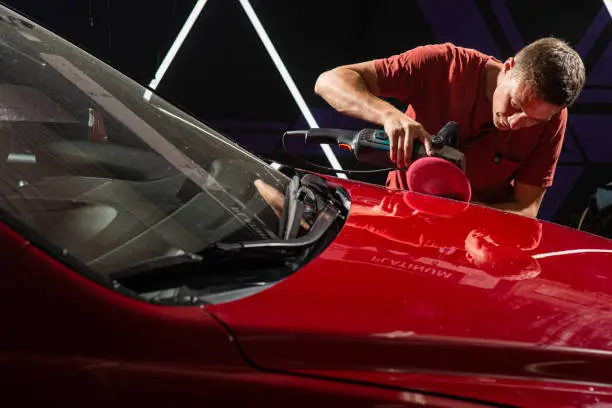
The Most Overlooked Auto Detailing Mistakes to Avoid
One of the most frequent mistakes in auto detailing is using old bath towels, t-shirts, or harsh sponges on your car’s paint. Although they seem soft, their fibers trap dirt and can scratch the surface. Using high-quality, clean microfiber towels ensures dirt is lifted gently, reduces static, prevents swirls, and delivers a streak-free finish with minimal pressure.
Another common error is washing the car in direct sunlight or heat. Soap, water, and detailing chemicals dry too quickly, leaving hard lines, water spots, or mineral deposits, which can damage the clear coat. The best approach is to wash your car in the shade or during cooler times of the day, allowing cleaning products to perform optimally.
Smart Tips for Perfect Auto Detailing
- Skip the Scratch Risk: Avoid old towels and sponges that trap dirt.
- Microfiber Magic: Use high-quality microfiber for a smooth, streak-free finish.
- Shade Saves Paint: Wash cars in cooler areas to prevent water spots and streaks.
- Static-Free Shine: Proper towels reduce static and prevent swirl marks.
- Gentle Touch Matters: Let cleaning tools do the work without pressing hard on paint.
Why Pre-Washing and Proper Tools Matter
Many DIY car washers skip prewashing, which can cause serious paint scratches. Proper prewash or rinse removes loose dirt before handwashing, preventing grit from damaging the surface. Tools like foam cannons, low-pressure rinses, and pre-rinse sprays help dissolve dirt safely before contact with your car.
Using dish soap or all-purpose cleaners may seem convenient, but they can strip wax, sealants, and dry out the clear coat. Professional auto detailing relies on pH-balanced car shampoos that lift dirt gently while maintaining protective layers and leaving the paint glossy and lubricated.
Pro Tips for Flawless Car Wash
- Rinse Before You Touch: Always prewash to remove grit and prevent scratches.
- Foam First: Foam cannons help lift dirt without direct abrasion.
- Skip Dish Soap: Avoid cleaners that strip wax or damage the clear coat.
- pH-Balanced Shine: Use car shampoos formulated for safe, glossy cleaning.
- Protective Care: Maintain sealants and wax while cleaning for long-lasting results.
The Role of Claying, Polishing & Protection
In Auto Detailing, clay bars are highly effective for removing sticky debris from paint, but using them incorrectly can cause scratches. A dry clay bar is like sandpaper on your car’s surface. Always apply clay lubricant or a detail spray to ensure the bar slides smoothly and safely, preserving the paint’s integrity.
Polishing enhances paint by removing a thin layer of the clear coat, correcting minor flaws and increasing gloss. However, over-polishing weakens the paint and accelerates wear. Professionals recommend polishing only when necessary, not with every wash.
In Auto Detailing, clean paint alone does not guarantee protection. Skipping wax, sealants, or ceramic coatings leaves your car vulnerable to sun damage, dirt, and water. Applying protective layers preserves shine, extends durability, and makes future washes easier an essential step for long-term results.
Expert Auto Detailing Practices
- Clay with Care: Always use lubricant to prevent scratches while removing debris.
- Polish Only When Needed: Overuse can weaken paint; target flaws, don’t polish every wash.
- Protective Layers Matter: Wax, sealants, or ceramic coatings shield paint from damage.
- Preserve Shine: Proper protection maintains the car’s glossy finish for longer.
- Ease Future Cleaning: A sealed surface makes washing faster and reduces wear.
Avoiding Cross-Contamination
One of the quickest ways to scratch paint is by dropping a sponge or towel and reusing it. Dirty buckets can also transfer contaminants, leading to scratches and swirl marks.
In Auto Detailing, using the two-bucket method one bucket for soapy water and another for rinsing reduces cross-contamination. Always clean your tools after each use, ensuring they stay free of dirt and grit. This simple habit helps maintain a flawless paint finish.
Smart Car Washing Tips
- Avoid Reusing Dropped Tools: Prevent scratches by keeping sponges and towels clean.
- Two-Bucket Technique: One for soap, one for rinse to reduce dirt transfer.
- Clean Buckets Regularly: Prevent grit from contaminating your wash.
- Rinse Tools Frequently: Keep cloths and sponges dirt-free during detailing.
- Protect Paint Integrity: Proper washing habits maintain a smooth, scratch-free finish.
Final Thoughts
In the world of Auto Detailing, the smallest habits make the biggest difference. At home or with hired professionals, avoiding these mistakes will keep the paint deep, shiny, and for years to come. Getting the proper methods now would mean fewer repairs, no additional paint work, and a car that you will always be proud of.
FAQs
1. How often should I detail my car?
It depends on driving conditions, but most vehicles benefit from detailing every few months.
2. Can Auto Detailing remove scratches completely?
Light scratches often improve with polishing; deeper ones may need professional correction.
3. Is waxing still needed if I have a ceramic coating?
Yes, layering protection enhances shine and longevity.
4. Can I pressure wash my car without damaging the paint?
Yes, if you use moderate pressure and maintain proper distance.
5. Does weather affect Auto Detailing results?
Absolutely, extreme heat, cold, or sunlight can impact drying time and product performance.


